SCAN SERVE DELIGHT! The Shift to QR-Based Smart Services in Hotels
The hospitality industry is rapidly evolving with the introduction of QR-based smart services for hotels. Hotels are now using this tech to streamline check-in, ordering, and guest communications so stays feel faster and more personalized.
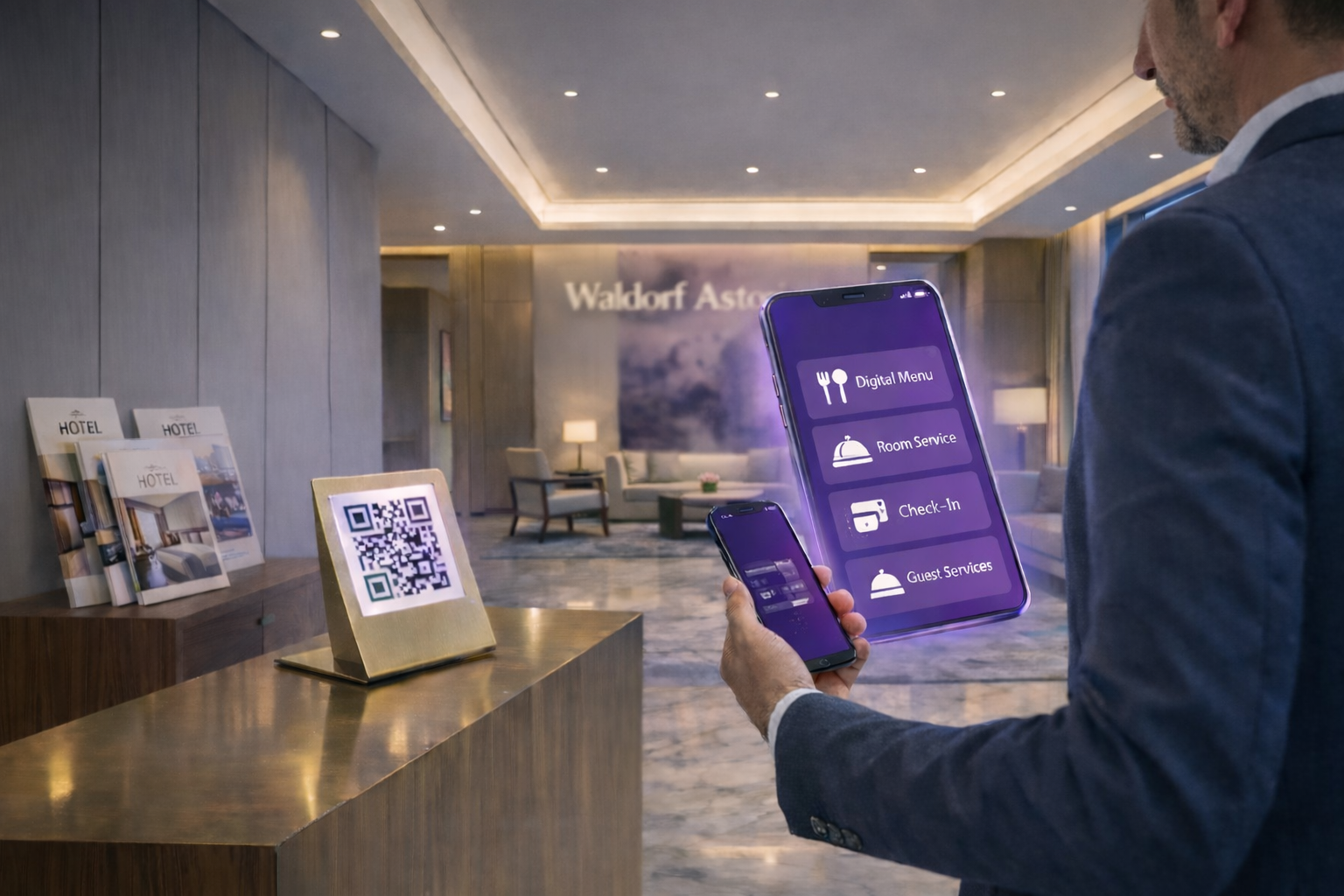
QR-based smart services are no longer limited to menus. Hotels use codes for contactless check-ins, room service orders, spa bookings, and real-time feedback. In practice, some properties utilizing QR guest services (for example, hotels that adopt DigiStay’s QR guest services) enable quick, contactless check-ins, allowing guests to access updated digital menus and order food from their rooms or restaurant tables.
Adding QR guest services helps hotels deliver consistent information across touchpoints and creates smoother guest journeys. The result is faster service, fewer manual steps for staff, and a more mobile-first guest experience.
Key Takeaways
- •QR-based smart services for hotels are transforming the hospitality industry by replacing static printed materials with dynamic digital pages.
- •Hotels are adopting QR technology for many services beyond menus, from contactless check-in to itinerary tools and local discovery pages.
- •The touchless experience is becoming a new standard, supporting both safety and convenience for guests.
- •QR codes let hotels update information in real time and personalize the guest experience without extra printing costs.
- •The shift to digital services responds to modern traveler expectations for speed, mobile-first access, and on-demand service.
The Digital Transformation of Hotel Guest Services
The hotel industry is undergoing a rapid shift as QR-based smart services move from novelty to core operations. QR-technologies are streamlining routine tasks, reducing touchpoints, and helping staff deliver faster service, all while giving guests more control via their phones.
Traditional Methods vs. QR-Based Solutions
Printed menus, paper registration forms, and phone-based room service are being replaced by QR-based ordering systems and digital check-ins. Instead of handing out paper or queuing at the front desk, guests can scan a code to access menus, complete registration, or place an order, cutting wait times and minimizing hand-offs. For instance, some properties use QR guest services (for example, hotels using DigiStay) to enable quick, contactless check-ins through a secure link, shortening the check-in process and reducing front-desk congestion.
The Pandemic's Role in Accelerating Adoption
The COVID-19 pandemic accelerated the use of QR codes as hotels sought contactless alternatives. Many hotels adopted hotel QR ordering systems and mobile ordering systems for hotels to limit physical interactions and make services more resilient. Beyond safety, these changes improved efficiency: hotels reported faster order turnaround and simpler information updates when they use codes to publish live menus and availability.
As travel rebounds, QR technology remains a practical tool for operations and guest experience - a digital layer that hotels can adapt quickly to meet evolving expectations and business needs.
Comprehensive QR Guest Services Hotel Applications
QR-based services now power a wide range of hotel interactions - from dining to check-in to local discovery - and are changing how hotels deliver information and service to guests.
Digital Menus: The Gateway to QR Adoption
Digital menus remain one of the most common QR use-cases because they offer immediate value: guests scan a code and view a rich, up-to-date menu on their phones. Digital menus can show photos, allergen details, pricing, and translations, and they let hotels hide sold-out items instantly. Some properties using QR guest services (for example, hotels that adopt DigiStay) push real-time menu updates so the menu a guest sees always matches kitchen availability.
Contactless Check-in and Registration
Contactless check-in is another frequent application. Rather than filling out paper forms or waiting at a desk, guests can scan a QR code to complete registration, verify ID, and receive digital room keys or instructions. This reduces queue times and frees front-desk staff for higher-value guest interactions.
Room Service and In-room Dining
Room service flows become simpler with QR codes: guests scan a code in their room or at a restaurant table, browse the menu, customize items, and place orders from their phone. Hotels that integrate ordering pages with back-of-house systems can route requests straight to the kitchen, speeding fulfillment and reducing errors. Many hotels using QR solutions (including platforms like DigiStay) let guests order food from rooms and restaurant tables without a call.
Spa Bookings and Amenity Reservations
QR pages also host booking calendars and reservation flows for spa treatments, fitness classes, and other amenities. Guests can view availability and reserve slots in seconds, which improves planning and occupancy of on-property services.
Digital Directories and Local Information
Digital directories delivered via codes provide fast access to hotel facilities, floor maps, and curated local information. Rather than flipping through printed brochures, guests can explore nearby restaurants, attractions, and transit options - and bookmark or add places to a simple itinerary for later.
Guest Feedback and Real-time Surveys
Finally, QR codes simplify feedback collection. Placing a short survey or rating link in rooms and public spaces invites immediate responses while the experience is fresh. Real-time feedback helps hotels spot issues quickly and measure satisfaction trends across stays.
QR Implementation Across Different Hotel Categories
QR codes are being applied across hotel categories with different priorities - operational efficiency for budget properties, elevated guest experience for luxury brands, broad service integration for resorts, and distinctive digital touchpoints for boutique hotels. Below are common use-cases framed by operations, guest experience, and cost impact.
Luxury Hotels: Elevating Premium Experiences
Luxury hotels often use codes to deliver concierge-level services digitally: personalized menus, exclusive offers, and streamlined contactless check-in. Guests expecting a high-touch experience can receive tailored recommendations, private event bookings, or bespoke menus via a branded QR page that preserves the property's tone and presentation.
Budget Hotels: Maximizing Efficiency and Reducing Costs
Budget hotels leverage QR technology to cut printing and labor costs while maintaining service quality. Simple QR pages replace paper brochures and business cards, provide fast access to key information, and automate routine tasks like registration and simple reservations - freeing staff to focus on higher-value guest interactions.
Resorts: Comprehensive Service Integration
Resorts often integrate QR-driven flows across dining, spa, activities, and guest directories so guests can book shore excursions, reserve spa slots, or order poolside snacks from a single code. Some properties link these pages to reservation systems and kitchen dashboards to keep availability accurate and reduce overbooking.
Boutique Hotels: Creating Unique Digital Touchpoints
Boutique hotels use QR pages to showcase personality: curated local guides, storytelling menus, and micro-itineraries that reflect the property’s character. For example, some hotels using QR guest services (including platforms such as DigiStay) offer local-discovery pages that let guests bookmark nearby places and build simple itineraries - a small but memorable service that enhances guest loyalty.
Across categories, QR code technology helps hotels serve guests more efficiently, reduce waste, and adapt services quickly - benefits that support both guest satisfaction and business performance in hospitality.
Operational Benefits: From Paper to Digital
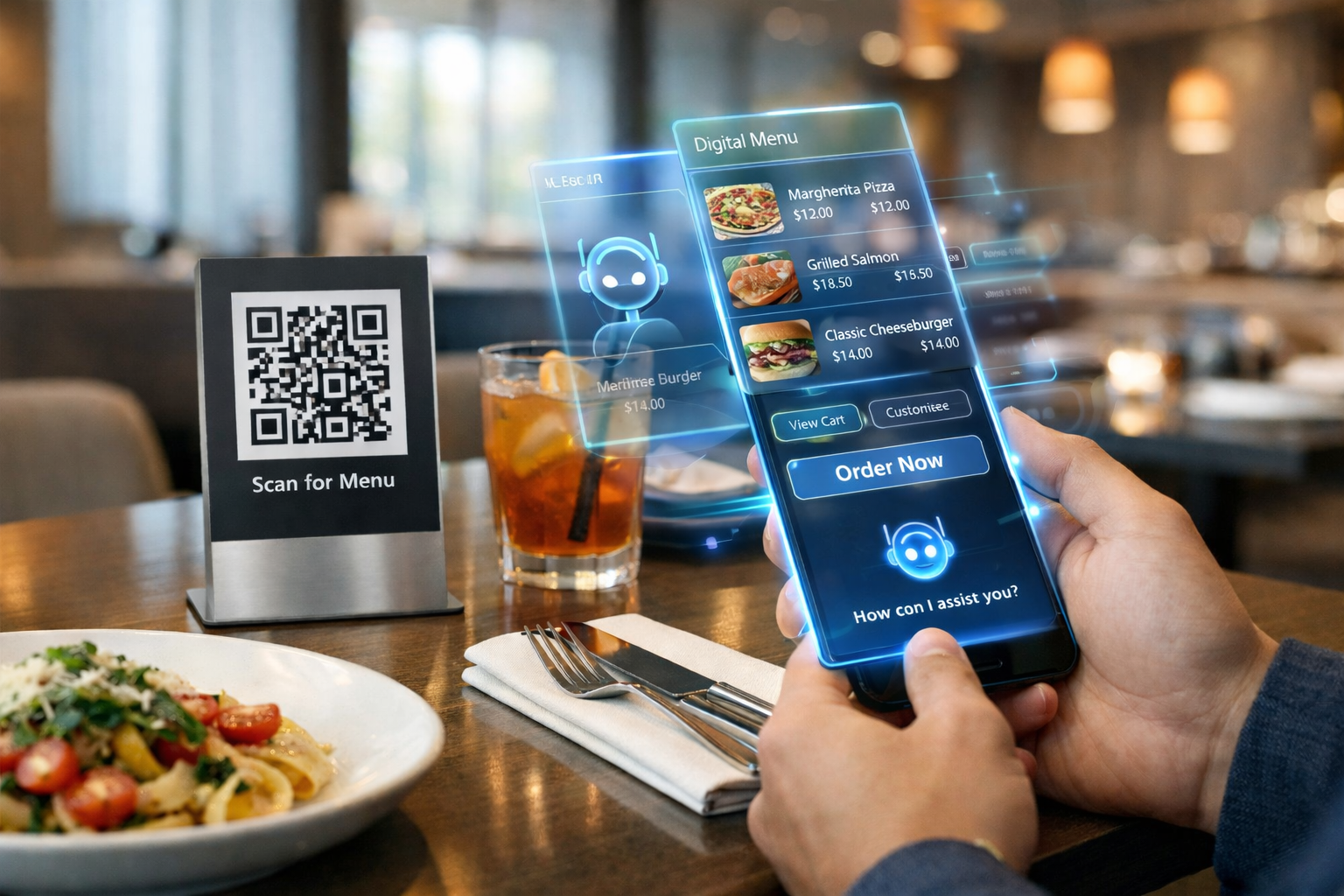
QR code technology is reshaping hotel operations by replacing manual, paper-based processes with dynamic digital workflows. By using a QR online menu service and other QR-driven pages, hotels reduce repetitive tasks, speed service, and keep guest-facing information accurate in real time.
Real-time Menu Updates vs. Reprinting Costs
With QR menus, hotels can update items, prices, and allergen notes instantly - no reprints required. When an item sells out, the QR page can hide it immediately or show alternatives and push the change to kitchen dashboards. That real-time synchronization avoids wasted print runs and reduces the risk of overselling popular dishes.
Service Speed: Traditional vs. QR-Based Ordering
A mobile ordering system for hotels lets guests scan a code and order food from their phone, reducing call volume and minimizing order-entry errors. Orders can be routed directly to POS and kitchen systems, shortening fulfillment time and freeing staff to focus on in-person guest needs.
Inventory Management and Kitchen Synchronization
QR-driven ordering provides visibility into what's selling in near real time, improving inventory management. When the front-end menu reflects stock levels and the kitchen dashboard updates automatically, hotels reduce waste and ensure popular items remain available.
Staff Allocation and Productivity Improvements
By automating routine ordering and information updates, QR solutions let staff spend more time on high-touch tasks. A coherent digital process - from scan to order to kitchen dashboard - increases productivity and simplifies training for seasonal or transient teams.
For example, some hotels using QR guest services (including platforms such as DigiStay) push real-time menu changes from a central dashboard to guest-facing pages and back-of-house systems, which helps avoid reprints and improves coordination between the restaurant and kitchen.
Overall, QR codes deliver operational benefits across the board: reduced printing and distribution costs, faster service, better inventory controls, and a smoother process for both guests and staff. Implementation should prioritize reliable dashboard integrations (POS, kitchen, inventory) and staff training so the technical benefits translate into measurable business results.
The Guest Journey Through QR Experiences
Hotels are redesigning the guest journey around mobile interactions, using QR codes to make stays faster, more convenient, and more personalized. Rather than seeing codes as a one-off convenience, many properties treat them as a continuous digital layer that connects arrival, in-stay services, and local discovery.
Scan → Order → Explore → Plan: The New Guest Pathway
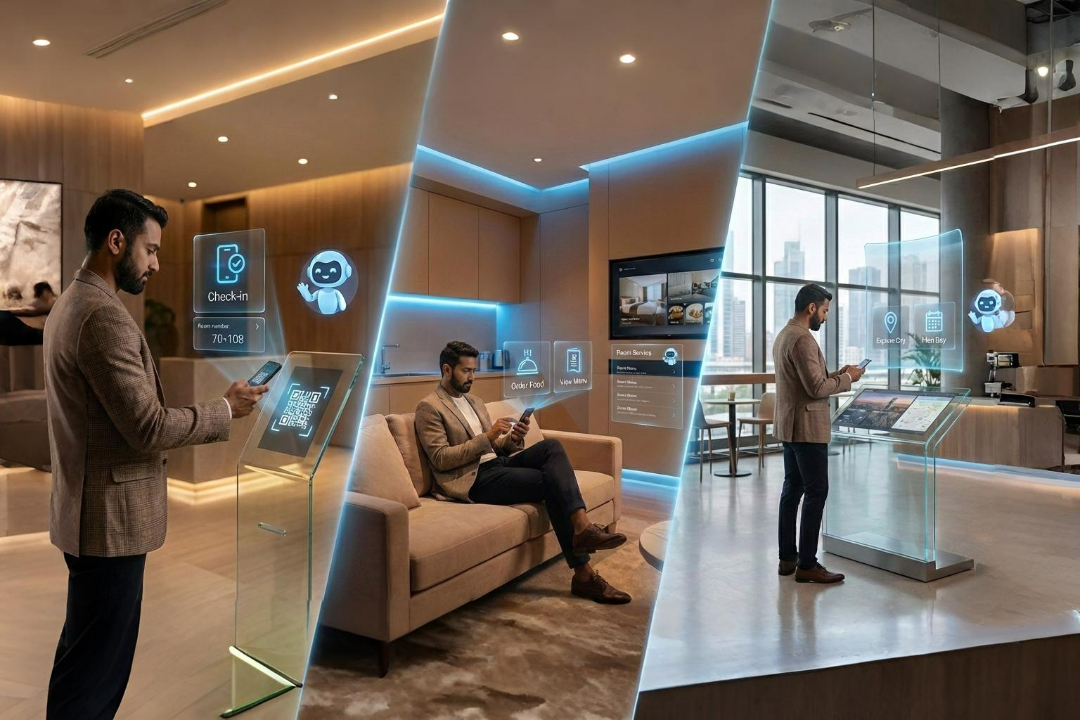
A typical guest pathway now looks like: scan a code at arrival to complete contactless check-in, scan in-room to order dinner, and scan again at a restaurant table or lobby kiosk to explore activities or build a day plan. For example, some hotels using QR guest services (including platforms such as DigiStay) let guests discover nearby places and add them to a simple itinerary directly from a QR-driven page, so planning happens in moments rather than with paper brochures.
Mobile-First Expectations in Modern Hospitality
Today's travelers expect information and transactions on their phones. Guests routinely scan codes to open menus, confirm reservations, or request housekeeping. By using codes that link to optimized mobile pages, hotels meet these expectations and reduce friction across check-in, ordering, and in-stay requests.
Personalization Opportunities Through Digital Interaction
QR interactions generate real-time signals about guest preferences, including cuisine choices, favored amenities, and frequently viewed local suggestions. Hotels can use that information (with proper consent) to surface relevant offers or tailored recommendations. Some properties also provide always-on assistance via an AI-powered hotel assistant, accessible through QR codes (for example, Anika), so guests receive contextual help 24/7.
Multilingual Support and Accessibility Advantages
Well-designed QR pages can auto-detect a guest’s language or offer quick translation options, making information accessible to international visitors. Accessibility best practices - clear headings, readable fonts, and keyboard-friendly controls - should be part of any QR implementation to ensure all guests can use the services comfortably.
Revenue Impact and Digital Upselling
Hotels use QR codes to drive incremental revenue through timely, low-friction upsells. By showing relevant offers while guests browse menus or services, QR experiences can increase attach rates and average order value without feeling intrusive.
Visual Merchandising Through Digital Menus
QR-based digital menus allow hotels to showcase dishes and experiences with images, descriptions, and highlights. Specials, add-ons, and combo offers can be surfaced naturally, encouraging higher-value orders.
Strategic Add-ons and Combo Promotions
QR pages enable hotels to present relevant add-ons such as dessert pairings, drink upgrades, or late checkout at the right moment. Performance can be tracked and refined using conversion and attach-rate data.
AI-Powered Recommendation Engines
AI-driven recommendations on QR pages suggest services based on guest behaviour, such as wine pairings or spa upgrades. Some hotels also use AI assistants within the same QR experience to surface local activities or upgrades.
Measurable Increases in Average Order Value
Hotels treating QR pages as revenue channels often see higher average order value and ancillary revenue. Dashboard metrics like revenue per scan and promotion conversion help optimize offers and demonstrate ROI.
Branding and Technology Integration
Branding and technology must work together for QR services to feel seamless and trustworthy. QR ordering and service pages should reflect the hotel’s visual identity and tone so every scan reinforces the brand while delivering a smooth guest experience.
What Guests See (Branding) vs What Runs in the Background (Technology)
| What Guests See (Branding) | What Runs in the Background (Technology) |
|---|---|
| QR pages look like the hotel’s brand | QR pages connect to PMS automatically |
| Menu design matches in-room menus | Live menu and availability sync |
| Simple, friendly language for guests | Orders flow directly to POS |
| Clear menu info (prices, allergens, timing) | Payments are secure and auto-recorded |
| Smooth experience from scan to checkout | Systems tested and staff trained |
Conclusion: QR-based Smart Services Are Shaping the Future of Hospitality
QR-based smart services have moved from optional to essential in modern hospitality. By enabling real-time digital menus, contactless check-in, and seamless service requests, QR codes reduce friction for guests while lowering operational effort for hotels. When implemented thoughtfully with secure integrations and consistent branding, these services improve guest satisfaction, boost staff efficiency, and unlock additional revenue, making QR technology a practical foundation for the future of hotel experiences.

About the Author
Content & Copywriting Professional
Vidushi is a content and copywriting professional specializing in SEO-driven websites, blogs, and social media content. She works across content strategy, structure, and optimization, ensuring ideas are not just well-written but effectively executed collaborating closely with designers and developers from concept to deployment.
“Good content communicates. Great content performs.”
Frequently Asked Questions
QR-based smart services allow guests to access hotel services and information by scanning a QR code on their phone. These services include digital menus, contactless check-in, room service ordering, spa bookings, local recommendations, and other guest utilities without the need for printed materials or app downloads.
QR codes make the guest journey faster and more convenient. Guests can instantly view menus, place orders, request services, or get information without waiting or calling the front desk. This reduces friction, saves time, and gives guests more control over their stay.
Yes. Hotels can use QR codes to enable contactless check-in, where guests complete registration and receive arrival instructions digitally. QR codes are also widely used for room service, allowing guests to browse live menus, customise orders, and place requests directly from their phones.
QR codes reduce manual work for staff by automating orders, updates, and guest requests. Hotels benefit from lower printing costs, real-time menu or information updates, fewer order errors, and better visibility into guest preferences leading to improved efficiency and staff productivity.
Successful implementation involves integrating QR pages with existing hotel systems such as POS, PMS, or kitchen dashboards. Hotels should place QR codes across rooms and common areas, train staff on usage, and test workflows thoroughly to ensure a smooth, secure guest experience.